Introduction
Have you ever thought why your hair feels dry no matter how much conditioner you use? Why does your hair feel like straw, and your friends’ hair look moisturized when you both are using the same products? The answer lies in hair porosity. Understanding porosity is the crucial part of building an effective hair care routine. In this guide, you will learn about hair porosity, its different types, and how to care for them.
What is Hair Porosity?
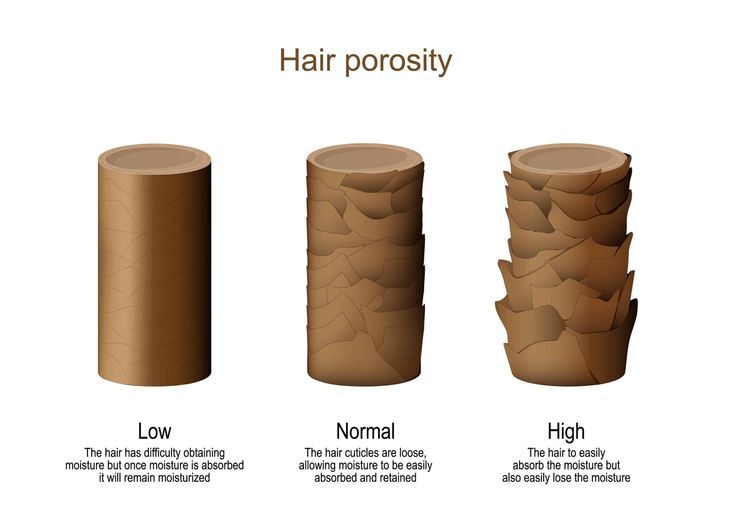
Hair porosity is basically the ability of hair to absorb and retain moisture. It depends on the outer protective layer of hair strands, which is called the hair cuticle. Everything depends on the porosity of hair, from how much product your hair absorbs to how quickly it dries. This will help you select the right products for your hair to prevent dryness and enhance hair strength.
Types of Hair Porosity
A hair cuticle describes your hair’s porosity by how open or closed it is. There are three types of hair porosity:
Low Porosity Hair
In this hair type, hair cuticles are usually flat and tight. So it’s difficult for moisture to get in and out of hair strands. It repels water and doesn’t absorb products, so they lie on the surface. They take a long time to get wet and dry.
Medium Porosity Hair
Hair cuticles are neither too tight nor too open; they are slightly raised. This is the ideal hair type that absorbs products at a healthy rate. Moisture enters or leaves moderately. Hair looks healthy, shiny, and totally manageable.
High Hair Porosity
In this hair type, cuticles are quite open or damaged, so they absorb water or other products quickly. But at the same time, it loses as fast as it can, it makes hair look dry and frizzy. This can be genetic and caused by constant heat damage or chemical processing.
Test to identify your hair porosity.
- You can find your hair porosity type in 4 minutes at Home by yourself.
- Take a clean hair strand after washing your hair.
- Drop it in a glass of normal water and observe for 3-4 minutes.
- If it floats above on the surface- Low porosity hair
- Sinks slowly or floats in the middle- Medium Porosity Hair
- Sinks quickly- High porosity Hair
The Hair care guide for each Porosity Type
After finding your type, you should care for your hair accordingly. Each type requires different products and styling.
Low Porosity Hair Care
These hair has tight cuticles and is prone to product buildup. So you have to encourage the cuticle gently to open up a little. Steam or washing with warm waters can help in lifting cuticles. You can also use a warm towel after applying conditioner; it will help in product absorption. Avoid thick butters and heavy oils because they will coat the strands and stop the absorption.
Medium Porosity Hair Care
These hairs are good; you just have to protect them from damage and maintain their health. They absorb and retain moisture moderately. They have the ability to respond well to new products. So don’t overload with products, avoid heat, and trim regularly.
High Porosity Hair Care
Due to open cuticles, products absorb and lose quickly. These hairs are prone to breakage and frizziness, so they feel dry and rough. You should use moisturizing products and layer them to lock in the moisture. Protein treatments will fill the gaps in cuticles and strengthen your hair. Avoid heating and over-washing because it will make your hair dry. Use oils and butters on damp hair to seal the moisture.
Comment below your type, and we’ll make a guide on which oils suit you.