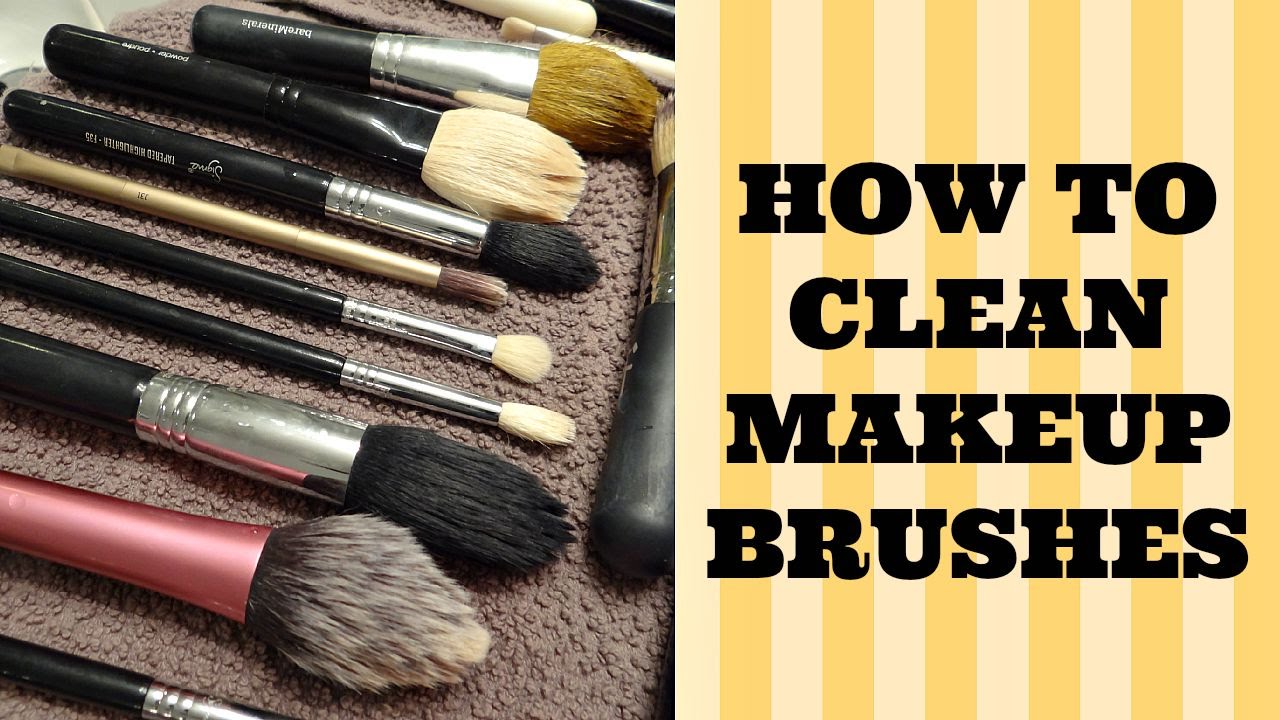
Dirty makeup tools can sabotage even the most expensive beauty products. Makeup brushes and sponges collect foundation, oils, dead skin cells, and bacteria over time. If they are not cleaned regularly, they can contribute to clogged pores, skin irritation, and uneven makeup application.
The good news is that maintaining clean beauty tools is simple and only takes a few minutes. This guide explains the best techniques for washing brushes and sponges, how often they should be cleaned, and why proper maintenance matters for your skin.
Why Keeping Beauty Tools Clean Matters
Every time a brush touches your face, it picks up oils, skincare residue, and makeup particles. These substances accumulate within the bristles and create an environment where bacteria can thrive.
Regular cleaning offers several benefits:
- Helps reduce acne-causing bacteria
- Improves makeup application and blending
- Prevents color mixing between products
- Extends the lifespan of brushes and sponges
- Keeps skin looking fresh and healthy
Neglecting brush hygiene can result in patchy makeup and unnecessary skin concerns.
Signs Your Beauty Tools Need Immediate Attention
Not sure whether it’s time for a wash? Watch for these warning signs:
- Bristles feel stiff or sticky
- Makeup no longer blends smoothly
- Brushes have a noticeable odor
- Colors transfer incorrectly
- Sponges appear stained or discolored
If you notice any of these issues, it’s time for a thorough cleaning session.
How to Clean Makeup Brushes?
Cleaning makeup brushes does not require expensive products. A gentle cleanser and water are usually enough.
Step 1: Rinse the Bristles
Hold the brush under lukewarm running water with the bristles pointing downward. This prevents water from weakening the glue that holds the brush together.
Step 2: Apply a Gentle Cleanser
Use one of the following:
- Mild shampoo
- Gentle facial cleanser
- Specialized brush cleanser
Place a small amount in your palm or a cleaning mat.
Step 3: Swirl and Lather
Gently move the brush in circular motions to break down makeup residue. Continue until a lather forms.
Step 4: Rinse Thoroughly
Wash away all soap and pigment. Repeat the cleansing process if water still appears tinted.
Step 5: Remove Excess Water
Use a clean towel to squeeze out moisture carefully. Avoid twisting the bristles.
Step 6: Reshape and Dry
Restore the original shape of the brush head and lay it flat on a clean towel. Allow it to air dry completely before use.
How to Wash Makeup Brushes Without Damaging Them
Proper technique is essential for preserving brush quality.
Best Practices
- Use lukewarm rather than hot water
- Keep brush handles dry
- Avoid soaking brushes entirely
- Dry brushes horizontally
- Store tools in a clean container
Common Mistakes to Avoid
- Using harsh detergents
- Drying brushes upright while wet
- Pulling or tugging on bristles
- Storing damp brushes in enclosed spaces
Following these practices helps maintain softness and performance for years.
How to Clean Makeup Sponges
Makeup sponges absorb significantly more product than brushes, making frequent cleaning especially important.
Quick Daily Method
After each use:
- Wet the sponge with warm water.
- Apply a small amount of gentle soap.
- Squeeze repeatedly to release trapped makeup.
- Rinse until water runs clear.
- Let it air dry completely.
Deep-Clean Method
For heavily stained sponges:
- Fill a bowl with warm water.
- Add a few drops of mild cleanser.
- Soak for several minutes.
- Massage thoroughly.
- Rinse and repeat if needed.
A clean sponge delivers smoother foundation coverage and minimizes bacterial buildup.
Recommended Cleaning Schedule
Consistency is more important than perfection.
Foundation Brushes
Clean once every week.
Concealer and Cream Product Brushes
Wash every 5 to 7 days.
Powder Brushes
Clean every two weeks.
Makeup Sponges
Rinse after every use and deep-clean weekly.
Creating a regular schedule prevents excessive buildup and reduces cleaning time later.
Smart Storage Tips for Longer Tool Life
Cleaning is only part of the maintenance process. Proper storage also matters.
Consider these habits:
- Store tools away from humidity
- Keep them in a covered organizer
- Separate clean and dirty brushes
- Avoid overcrowding containers
- Replace worn-out tools when necessary
These simple steps help preserve quality and maintain hygiene.
How to Remove Makeup Properly Before Cleaning Tools
Many people focus on cleaning brushes while overlooking makeup removal. Removing cosmetics thoroughly each night supports healthier skin and cleaner beauty tools.
Follow this routine:
- Use a makeup remover or cleansing balm.
- Massage gently to dissolve products.
- Cleanse with a facial wash.
- Rinse thoroughly.
- Apply moisturizer afterward.
When makeup is removed properly, less residue transfers onto brushes and sponges.
Final Thoughts
Learning how to clean makeup brushes is one of the simplest beauty habits with the biggest payoff. Clean tools improve makeup performance, protect skin health, and help expensive products work more effectively.
Whether you use professional-grade brushes or basic beauty sponges, regular maintenance keeps them hygienic and long-lasting. By following a consistent cleaning routine, you can enjoy smoother makeup application, fewer breakouts, and better overall results every day.
Frequently Asked Questions
How often should I clean makeup brushes?
Foundation and concealer brushes should be cleaned weekly, while powder brushes can be washed every two weeks.
Can I use shampoo to clean makeup brushes?
Yes. A mild shampoo is effective for removing makeup residue and oils without damaging bristles.
How long do makeup brushes take to dry?
Most brushes require 8 to 24 hours to dry completely, depending on size and density.
How often should makeup sponges be replaced?
For optimal hygiene, replace makeup sponges every one to three months, depending on usage and condition.
What happens if makeup brushes are not cleaned?
Dirty brushes can harbor bacteria, contribute to breakouts, cause skin irritation, and affect makeup application quality.